TeamViewer Full + Portable
Remote Desktop Access Software
Overview
Introduction and Overview
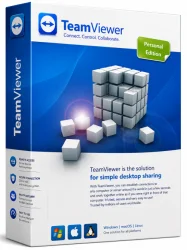
TeamViewer is a leading remote desktop software that enables users to connect to any computer or mobile device from anywhere in the world. It is widely used for remote support, remote access, online meetings, and file transfers. The 'Full + Portable' edition provides both a fully-installable version and a portable version that runs without installation, making it ideal for IT professionals and users who need flexibility. With robust security features, cross-platform compatibility, and high performance, TeamViewer is trusted by millions globally. Whether you need to troubleshoot a client's PC, access your home computer while traveling, or collaborate with colleagues, TeamViewer delivers a seamless and secure experience.
Key Features
- Remote Control: Access and control remote devices in real time, with support for multiple monitors and high-resolution displays.
- File Transfer: Transfer files securely between connected devices with drag-and-drop simplicity.
- Cross-Platform Support: Works on Windows, macOS, Linux, iOS, Android, and even Raspberry Pi.
- Unattended Access: Set up remote access to devices without manual acceptance, perfect for server management.
- Online Meetings: Host meetings with up to 100 participants, including screen sharing, voice, and video.
- VPN Connection: Create a virtual private network for secure remote browsing and network access.
- Portable Version: Run TeamViewer directly from a USB drive without installation, ideal for use on loaned computers.
- End-to-End Encryption: 256-bit AES session encryption and two-factor authentication ensure data security.
- Wake-on-LAN: Wake sleeping computers remotely to access them when needed.
- Recording and Sessions: Record remote sessions and take screenshots for documentation.
System Requirements
Minimum Requirements
Operating System: Windows 7 SP1, macOS 10.12, or Linux (with glibc 2.7).
Processor: 1 GHz or faster.
RAM: 512 MB.
Disk Space: 50 MB for installation.
Internet: Broadband connection (1 Mbps or higher).
Recommended Requirements
Operating System: Windows 10/11 64-bit, macOS 11 or later, or modern Linux distribution.
Processor: Dual-core 2 GHz or faster.
RAM: 4 GB or more.
Disk Space: 200 MB for installation and session cache.
Internet: 10 Mbps or higher for smooth high-resolution streaming.
Additional: For portable version, a USB 2.0 or 3.0 drive with at least 200 MB free space.
How to Install and Use
Installing the Full Version
- Download the TeamViewer full installer from the official website.
- Run the installer and choose between 'Install & Run' for immediate use or 'Install' for permanent installation.
- Follow the on-screen prompts to accept the license agreement and choose installation options.
- Once installed, launch TeamViewer and create a free account or use the generated ID and password for direct connections.
Using the Portable Version
- Download the portable executable file from the official site or trusted source.
- Copy the .exe file to a USB drive or any removable media.
- Double-click the portable file on the target computer (no admin rights required).
- The interface will open; you will see a unique ID and password. Share these with the remote user or enter the remote ID to connect.
Making a Remote Connection
- Open TeamViewer on both client and host devices.
- On the connecting device, enter the remote device's ID in the 'Partner ID' field.
- Select 'Remote Control' or 'File Transfer' as the connection type.
- Enter the password (if using unattended access) or wait for the remote user to accept the connection.
- Once connected, use the toolbar to control the remote desktop, transfer files, or launch meetings.
Pros and Cons
Pros
- Ease of Use: Intuitive interface minimizes the learning curve.
- Feature-Rich: Includes file transfer, VPN, meetings, and more in one tool.
- Portability: The portable version is a game-changer for on-the-go support without installation.
- Security: Industry-standard encryption and optional two-factor authentication.
- Free for Personal Use: Non-commercial users can enjoy core features at no cost.
Cons
- Commercial Licensing Cost: The free version prompts for commercial use; licenses are relatively expensive for businesses.
- Session Timeout: Free version alerts potential commercial use and may limit session duration after prolonged use.
- Resource Usage: Can be resource-intensive on older computers, especially during high-resolution sessions.
- Account Requirement: Some features require creating a TeamViewer account.
Conclusion
TeamViewer Full + Portable remains a top-tier solution for remote desktop access, offering a perfect blend of power, flexibility, and security. Its portable version is particularly valuable for IT support professionals who need a reliable tool without administrative overhead. While the cost for commercial usage can be a barrier, the free version is more than sufficient for personal needs. With extensive cross-platform support and a rich feature set, TeamViewer is an indispensable tool for remote work, technical support, and collaboration. Download TeamViewer Full + Portable today and experience seamless remote connectivity.